










3 posts on "Hunter L. Clark"
May 11, 2026
Will Mounting Supply Chain Strains Hamstring the AI Investment Boom?
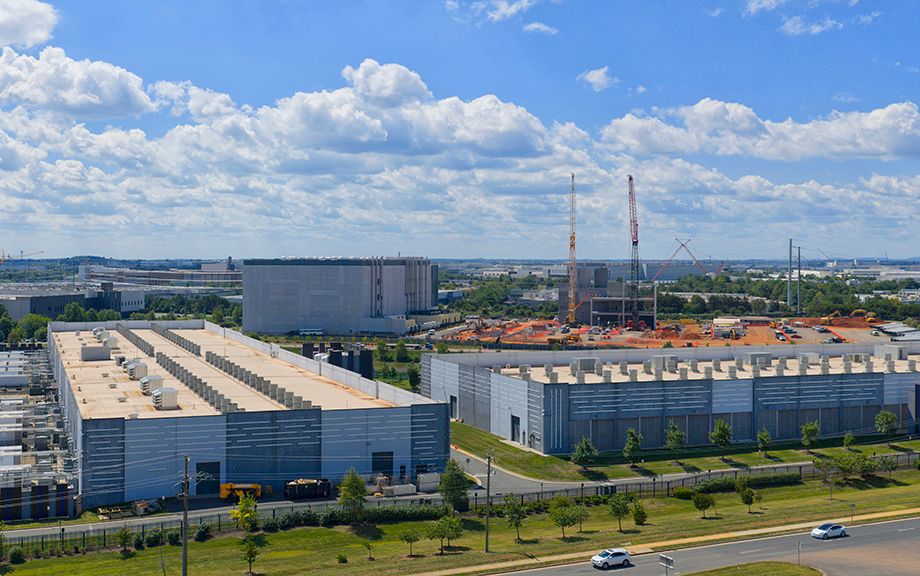
The conflict in the Middle East has precipitated a global supply shock—the third in six years following the pandemic in 2020 and Russia’s invasion of Ukraine in 2022. The current shock raises the specter of spillovers to the U.S. through both prices and physical shortages of goods. A critical conduit for spillovers through these channels is via Asian supply chains, especially from middle- to lower-middle income countries in southeast Asia, which are key suppliers for goods needed for the AI infrastructure build-out in the U.S. These countries are also heavily reliant on Middle East energy imports. This post examines key factors related to these Asian supply chain vulnerabilities.
Posted at 7:00 am in Artificial Intelligence (AI), International Economics, Supply Chain | Permalink
May 4, 2026
In What Ways Has U.S. Trade with China Changed?
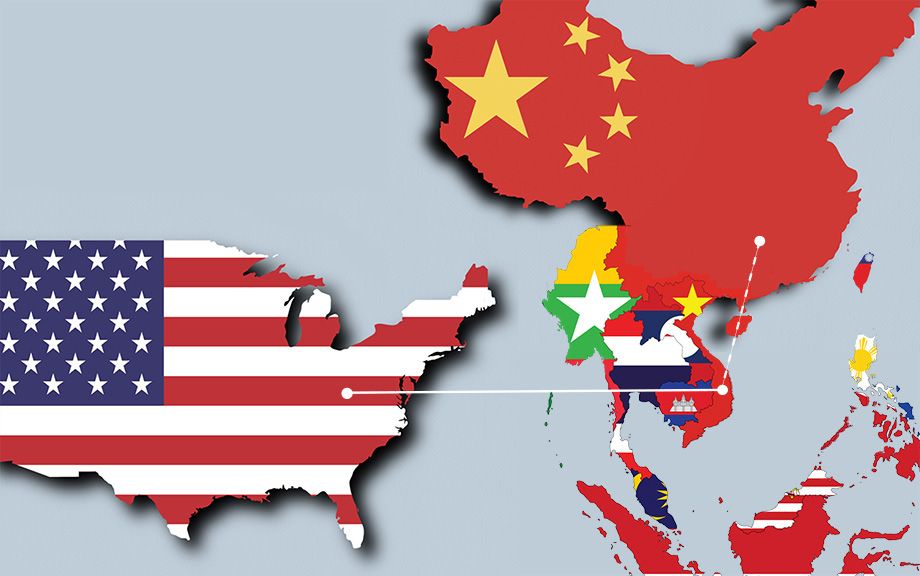
Over the past year, U.S. trade policy with China has undergone enormous changes, but with surprisingly little effect on overall trade balances. In fact, the U.S.’s twelve-month trade deficit, while highly volatile due to import front-running early in the year, ended 2025 at $1.2 trillion, almost unchanged from 2024. At the same time, China’s trade surplus with the world actually increased from $1 trillion to $1.2 trillion. However, when looking at changes between individual countries, one sees large shifts in bilateral balances. In this post, we will focus on changing trade flows between the U.S., China, and southeast Asia.
Posted at 7:00 am in Artificial Intelligence (AI), International Economics, Tariffs | Permalink | Comments (2)
April 9, 2026
A Closer Look at Emerging Market Resilience During Recent Shocks
A succession of shocks to the global economy in recent years has focused attention on the improved economic and financial resilience of emerging market economies. For some of these economies, this assessment is well-founded and highlights the fruits of deep, structural economic reforms since the 1990s. However, for a much larger universe of countries, the ability to weather shocks is still mixed and many remain vulnerable. In this post, we explore the divide between the two sets of countries and focus on the effects of recent economic shocks, including the ongoing conflict in the Middle East.
Posted at 7:00 am in International Economics | Permalink
 RSS Feed
 Follow Liberty Street Economics
