









2 posts on "banking crises"
November 2, 2026
How Do Banking Supervisors Deal with Failing Banks?

In this post, we discuss insights from a recent staff report on the role of banking supervision in identifying and disciplining failing banks. We show that bank failures typically result from supervisory closure decisions based on hard information about book equity. Yet hard information is itself partly produced by supervision, as our evidence suggests that supervisors require troubled banks to recognize potential losses. We argue that supervision faces a trade-off: Stricter supervision can reduce the costs of resolving failing banks, but it can also lead to tighter regulatory capital constraints and hold back credit supply.
July 7, 2026
What Do Over 3,000 Bank Runs Teach Us About Banking Crises?
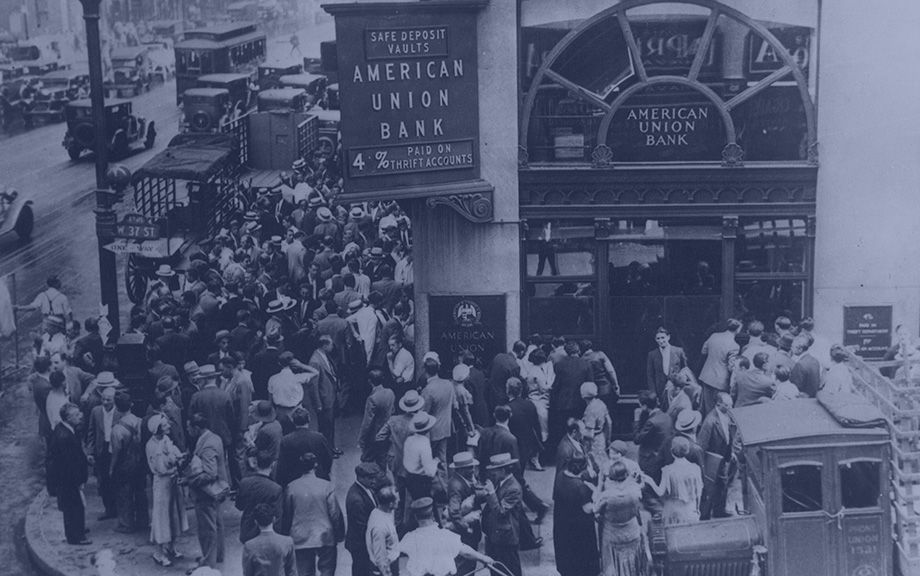
Runs on financial institutions are one of the salient markers of financial crises. But the role of runs in crises is a topic of longstanding debate. Runs can be seen as the key turning point, whereby even small shocks can generate severe crises with widespread bank failures. Another view is that runs are mainly a symptom of deeper rot in the financial system, exacerbating crises rather than being their primary cause. Understanding this debate has first order implications for how to think about financial crises and the appropriate policy responses. In this post, we use a new database of more than 3,000 bank runs (introduced in our companion post) to show that poor fundamentals are central to explaining both when runs occur and when they have severe economic effects. We argue that this evidence tempers the view that small shocks can have outsized real effects through self-fulfilling run dynamics.
Posted at 10:01 am in Artificial Intelligence (AI), Banks, Crisis, Liquidity | Permalink | Comments (1)
 RSS Feed
 Follow Liberty Street Economics